01
Lipoaspirate collection.
Lipoaspirate collection via standard tumescent liposuction at the patient's hospital.

Clinical Overview
ReConstruct Bio is developing the BioImplant, a patient-derived, vascularized soft tissue construct for soft tissue reconstruction and aesthetic applications, starting with breast reconstruction following mastectomy and lumpectomy. The implant is fabricated from autologous lipoaspirate and vascularized using a proprietary 3D bioprinting technology developed at the Wyss Institute at Harvard, known as SWIFT, and is delivered for microsurgical anastomosis. The approach is designed to integrate as living tissue while avoiding large-volume donor-site tissue transfer associated with autologous flap procedures and the long-term limitations of synthetic implants.
A vascularized tissue construct designed for microsurgical anastomosis and immediate perfusion.
Designed to integrate with existing reconstructive surgery practice. Single team. Outpatient or short-stay protocol.
Lipoaspirate collection via standard tumescent liposuction at the patient's hospital.
Customized tissue formation and vascularization at the ReConstruct Bio facility using the SWIFT platform. The construct is perfused and matured into a vascularized implant over several days.
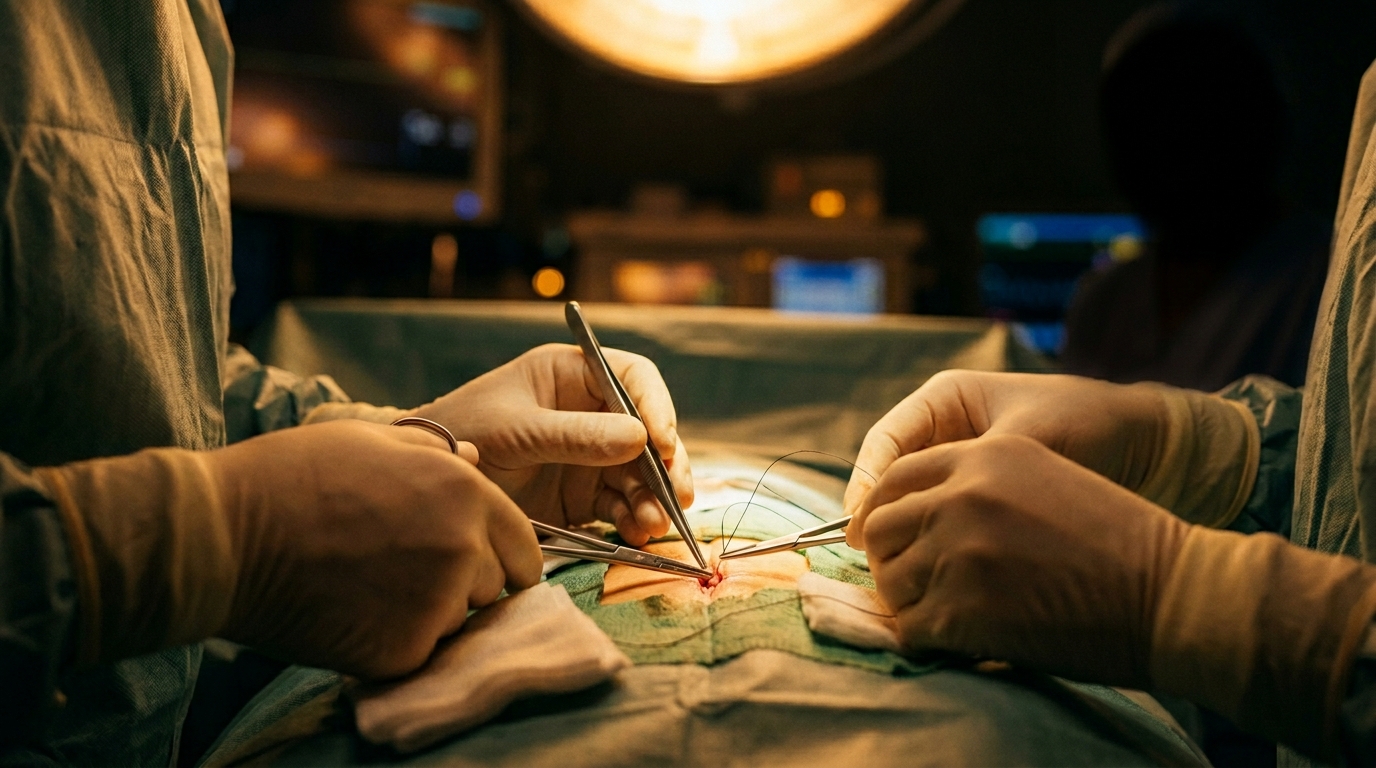
The BioImplant is delivered to the operating room and implanted using microsurgical vascular anastomosis. The construct is designed to enable immediate perfusion and integration.
Versus alternatives
Compared to autologous flap procedures: Avoids large-volume donor-site tissue transfer and associated morbidity.
Compared to synthetic implants: Construct is derived from autologous tissue and designed to integrate as living tissue.
Post-mastectomy reconstruction is covered under the Women's Health and Cancer Rights Act (WHCRA), establishing a reimbursed pathway for reconstructive procedures.
Currently in preclinical development. Small-animal validation completed. Large-animal studies and FDA engagement underway.
The BioImplant is currently in preclinical development, with small-animal validation completed and large-animal studies planned. Our regulatory and clinical strategy is focused on enabling a first-in-human study within the next three years.